Pain and swelling
in the joints Most often in the big toe, hands and feet, but it can also
affect other joints.
Hyperuricemia might not stay
silent forever
Follow your doctor's advice to keep your risks in check

What is hyperuricemia?
Hyperuricemia refers to elevated uric acid levels in the blood.1 Uric acid is a natural waste product formed when the body breaks down purines – substances found in certain foods and in human cells.
This means that uric acid is normally present in the body as part of the metabolism, and filtered by the kidneys, and excreted in urine. When too much is produced or not enough is eliminated, it can build up in the bloodstream: a significant increase in its levels can cause or escalate various health problems.
About 16% – or roughly one in six adults in Europe2 are estimated to have hyperuricemia. In most cases3 (85–90%) this condition causes no noticeable symptoms for an extended period of time, or ever.
This asymptomatic form of hyperuricemia, characterized by elevated uric acid levels in the blood, can, over time, become an additional risk factor for individuals with certain cardiovascular conditions, such as high blood pressure.
While most people associate symptomatic hyperuricemia with gout, it’s important to know that uric acid can also build up in the kidneys, not just in the joints. Still, there are several symptoms that can appear unexpectedly and should be taken seriously.4
These symptoms may be linked to hyperuricemia:


Kidney cramps
Cramping pain in the abdomen or lower back accompanied by nausea due to
kidney stones.

Tophi
Hard lumps that form under the skin near joints after long-term high uric
acid levels.

Severe pain
in the lower
back or side
Pain may spread to the abdomen or groin area.

Blood in the urine
Stones can irritate the urinary tract and cause bleeding.

Frequent urge
to urinate
Caused by irritation in the bladder.

Pain during urination
Urine flow may be painful if a stone is present.
If you notice any of these symptoms – especially if they appear suddenly – it’s important to contact your doctor right away. Early diagnosis and treatment can help prevent serious health problems involving the joints, kidneys, or urinary system. Even if you have no symptoms, knowing your uric acid levels matters, as hyperuricemia doesn’t always stay silent.
Watch this short video and learn the key takeaways regarding the risks of high uric acid level also called hyperuricemia before reading further!
Why Does It Matter?
Hyperuricemia is not a disease in itself and often causes no symptoms, but may cause long-term damage to blood vessels, leading to cardiovascular disease and renal impairment. The uric acid level serves as a biomarker, and if it is elevated, it may be an early signal of broader metabolic or cardiovascular risks.5
It may be associated with:6

Gout
Uric acid can form crystals in the joints, causing painful
inflammation.
This condition usually occurs in the joints of the hands and feet, most
commonly in the big toe.
Kidney stones
Uric acid crystals can also form kidney stones. These can cause cramps with severe pain and impaired kidney function.

Cardiovascular
diseases
High levels of uric acid can damage the blood vessels. Hyperuricemia is
associated with an increased risk of
hypertension. Its potential links to other cardiovascular conditions are
currently being investigated.
High uric acid is a silent signal, not a diagnosis, but can be a warning sign for your long-term health.
Who is at risk?
1.
People with a history of high blood pressure7
2.
Individuals with a family history of gout or kidney disease
3.
Those following a purine-rich diet or consuming excessive
amounts of alcohol
Know your numbers
According to most European and international guidelines, symptomatic hyperuricemia (when someone has strong joint pain from gout or kidney pain from stones) should be treated. Even people without symptoms but with consistently high uric acid levels in the blood, associated with at least one cardiovascular comorbidity may also need treatment to lower their levels.
One challenge is that the “normal” or “high” level of uric acid can vary depending on age, ethnicity, and country. That’s why different countries use slightly different reference ranges based on the average levels in their healthy populations.
In [country name], the commonly accepted ranges are:5
Women
140-340 µmol/L
or less than 6 mg/dL
Men
220-420 µmol/L
or less than 7 mg/dL
If someone is diagnosed with hyperuricemia, the goal of treatment is usually to reduce the uric acid level below at least 6 mg/dL.8 This helps lower the risk of kidney or joint complications and damage.
Uric acid is typically included in routine intravenous blood tests. If your result is elevated, consult your doctor, especially if you have a history of cardiovascular or kidney issues.5 Uric acid levels can be easily measured using intravenous blood taken as part of a routine blood test.
Don’t let uric acid steal the show. If it’s high, consult your doctor whether it requires further attention.
Smart choices keep your health in balance
Even if no medication is necessary, small lifestyle changes can help reduce uric acid levels and silent health risks attributed to it.
TIPS

Diet
Reduce intake of red meat, organ meats, seafood, sugary drinks, and
alcohol9
→ Some may also benefit from limiting legumes
(due to high purine content)
→ Increase water, vegetables, whole grains, and low-fat dairy

Hydration
Drink plenty of water to support kidney function

Weight
Even modest weight loss helps9
Exercise
Regular activity supports metabolic balance and lowers related
risks9
You may not need a prescription to start reducing risks – your daily choices matter.
Talk to your doctor before introducing significant dietary or exercise changes.

When treatment
is recommended
Your doctor may recommend medication:
- In case of an acute or chronic gout attack
- In the presence of urate kidney stones
- In case of asymptomatic, but elevated uric acid levels, in the presence of a
cardiovascular comorbidity:
- if uric acid levels are persistently higher than 6 mg/dL
Therapy recommended by your doctor is not about “treating the number” – it’s about protecting long-term health. Treatment of high uric acid levels can be achieved through a combination of lifestyle changes and, if necessary, medication, taking into account co-morbidities and existing cardiovascular risk factors.
Following your doctor’s instructions is not about fixing a symptom — it’s about
protecting your future health. Timely diagnosis and treatment can help prevent
complications.
Consult your doctor to discuss if a laboratory test is needed.
Your 5-step plan for managing
hyperuricemia

1.
Know your numbers
Get familiar with your uric acid level. If it’s elevated
in a routine lab test, ask your doctor what it means for your overall
health, especially if you have other risk factors like high blood
pressure, kidney disease, or diabetes.
2.
Adjust your diet
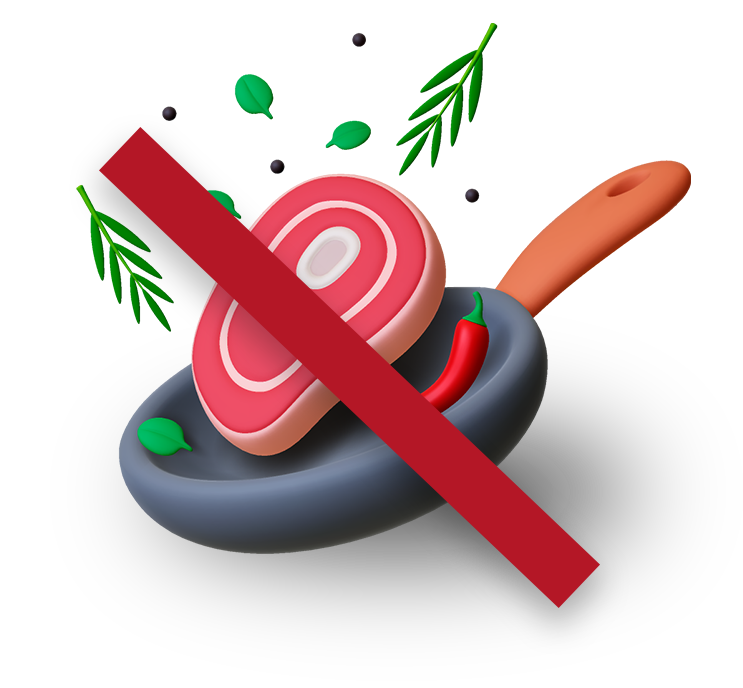
Limit purine-rich foods like red meat, organ meats, legumes and certain
types of seafood. Some fish, such as sardines, anchovies, herring, and
mackerel are especially high in purines and should be limited. Cut back
on sugary drinks and alcohol. Focus on vegetables, whole grains, low-fat
dairy, and plenty of water.
3.
Stay hydrated
Drink plenty of water daily to help your kidneys
flush out uric acid and reduce the risk of crystal
formation.

4.
Move more, weigh less
Regular physical activity and moderate weight loss can contribute to
lowering uric acid levels and improved metabolic health.9

5.
Follow medical advice
If your doctor prescribes treatment or follow-up, don’t ignore it.
Hyperuricemia may be symptomless, but it can signal deeper risks. Stick
to your care plan and attend scheduled check-ups.
What you should
remember
- Hyperuricemia is not a disease, but a measurable and meaningful health marker. Act responsibly by knowing your numbers!
- High uric acid levels may signal that your heart or kidneys are under more strain.
- Even if you feel fine, your doctor may monitor uric acid levels as part of a routine check.
- Moderate lifestyle and diet changes can contribute to managing high uric acid levels.
Disclaimer: All information on this website is intended for educational purposes only. It does not replace medical advice or recommend specific treatment. Please consult your physician with any questions about your health, lab results, or risk factors.
Sources:
[1] Cleveland Clinic. Hyperuricemia (High Uric Acid Level).
Available at:
https://my.clevelandclinic.org/health/diseases/17808-hyperuricemia-high-uric-acid-level
Last accessed: Aug 26, 2025
[2] Global Epidemiology of Hyperuricemia: An Analysis of Trends Over the Past
Decade.
Available at: https://papers.ssrn.com/sol3/papers.cfm?abstract_id=5145955 Last accessed:
Aug 26, 2025
[3] George C et al. Hyperuricemia. In: StatPearls [Internet]. Treasure Island (FL):
StatPearls Publishing; 2025 Jan. Last update Oct 14, 2023
Available at: https://www.ncbi.nlm.nih.gov/books/NBK459218/
[4] What to know about hyperuricemia.
Available at: https://www.medicalnewstoday.com/articles/hyperuricemia Last accessed: Aug
26, 2025
[5] Járai Z et al. On the management of patients with hyperuricemia and gout.
Hypertension and Nephrology, 2020;24(Suppl. 2): S1–S20.
Available at:
https://mdosz.hu/hun/wp-content/uploads/2020/12/mht-mnt-mre-konszenzus-a-hyperurikaemias-es-a-koszvenyes-betegek-ellatasarol.pdf
[6] Zhu Y et al. Prevalence of gout and hyperuricemia in the US general population: the
National Health and Nutrition Examination Survey 2007-2008.
Arthritis Rheumatol. 2011;63(10):3136–3141.
[7] 2021 European Society of Cardiology Guidelines on cardiovascular disease prevention
in clinical practice. Eur Heart J. (2021) 42, 32273337.
[8] Piani F et al. Elevated uric acid as a risk factor.
Available at:
https://www.escardio.org/Journals/E-Journal-of-Cardiology-Practice/Volume-20/elevated-uric-acid-as-a-risk-factor
Last accessed: Aug 26, 2025
[9] Richette P et al. 2016 updated EULAR evidence-based recommendations for the
management of gout. Ann Rheum Dis. 2017;76:29–42.